
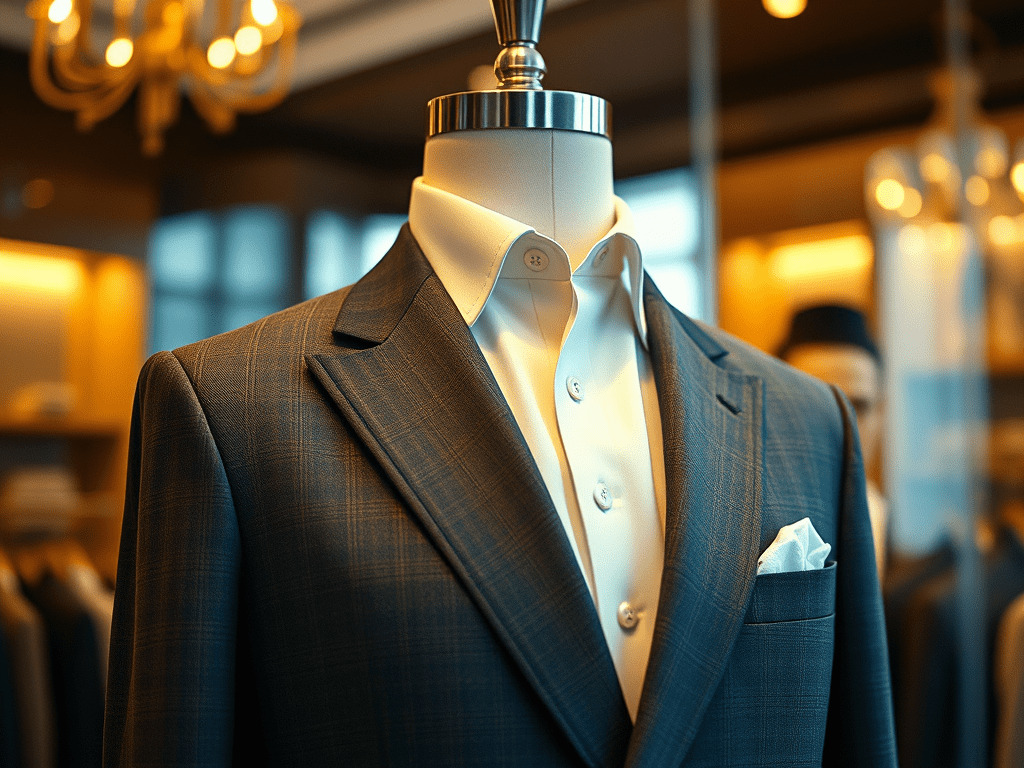
It is often said that the first impression is the most important. The first impression we make on people is how we carry ourselves. The second is how we look. If we pick up our date and our suit is too tight, it may convey to our potential special someone that we are too cheap to buy a new suit. If we walk into an interview and our suit is baggy and loose, our future boss could think that it is a sign of not caring how we look. What if I told you that by fixing your outfit, you could knock both the first impressions out of the park with only one stone, (pardon the malaphor…).
Well you can. A good fitting suit influences you subconsciously, increasing your confidence. The way you perceive yourself is the primary factor in how others perceive you.
There are many different variants on a suit that all come together to create a particular look. In this article I will discuss the different aspects of a suit, and then I will describe different styles of suit and which of these features add to the style.
Single Breast v. Double Breast: this refers to how many rows of buttons you have on the front of a jacket. Most times, you will have a 2×2 arrangement or a 2×3. The single breast is most common, but I’ve been seeing the double breast beginning to come back in, thanks to celebrities such as Tom Holland, Tom Hiddleston, and Travis Kelce. Typically, I have seen the double breast make the larger man appear slimmer while helping the skinny man seem to have more substance to them; all around it just makes you look better.
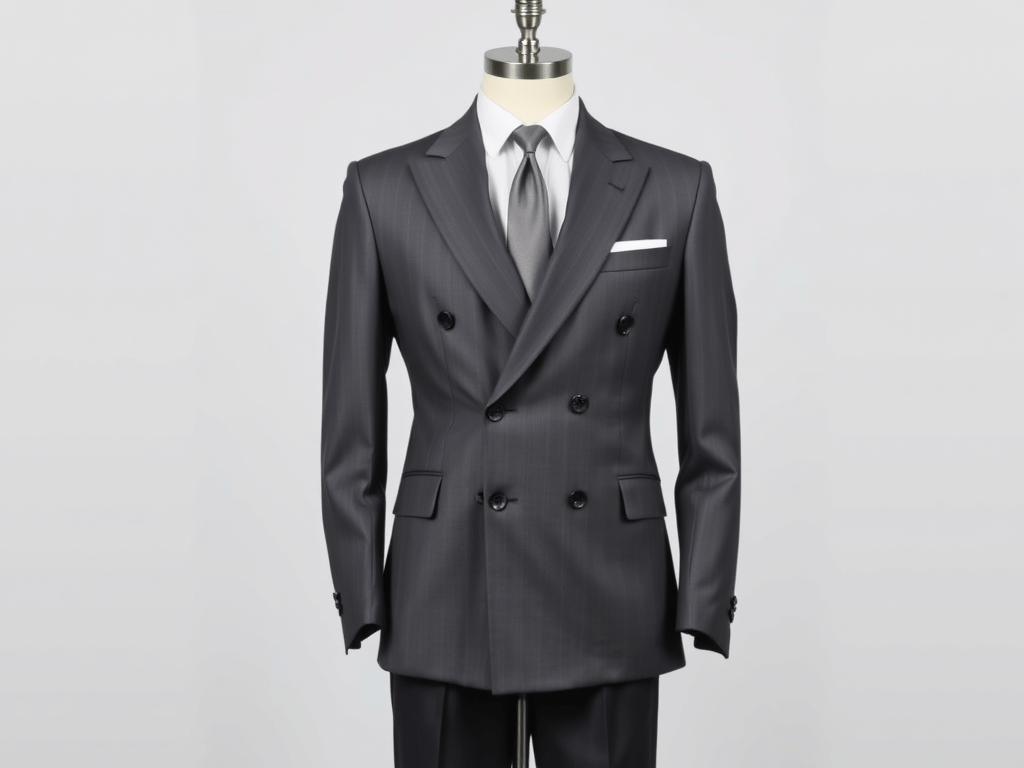
Buttons: Most single breasted suits will have two buttons, though I have seen a lot of dinner jackets and sports coats with only one. As far as three buttons go, I have not seen any made in the last ten or fifteen years. Stay away from them for now, but don’t be too much of a stranger, with the apparent return of the double breasted suit, we may also see the three button suit also reappear in vogue.
As far as the sleeves are concerned, anywhere from three to five is an acceptable number. My personal preference is four, and I’d rather have five than three. They can be either working or imitation buttons, but other than showing off to a few friends at your High School Prom’s after party, there is no reason for working buttons nowadays. The array of the buttons is up to you. You have the choice between flat or kissing (overlapping) buttons. I always prefer the kissing, as it adds a nice little personality to the sleeves and buttons. But if you are going for the more stoic route, the flat is probably the best for you.
The last option you have with buttons is the color of the buttons themselves, and the thread used to sew on the buttons and the button-holes. You may choose to either have tonal (always a safe bet) or you can spice things up with contrasting buttons and button-holes (I’ve also heard them as accent buttons/button-holes). Though, I would usually suggest to keep the contrast and accents to a basic level. One store I worked for had a black suit with purple accents. It looked horrendous. That same suit also came in a cobalt blue with powder blue accents, that one sold like a charm. The only exception to the “less is more” rule is if you are creating a custom-made suit for a special occasion, such as a wedding, where you can coordinate your accents with the rest of the color pallet. I have helped several couples in this very scenario and I have seen some beautiful designs come out of playing with these accents like this. One was a beige suit with white accents. Another crafted a burgundy suit with black accents. All of these were wonderful examples where they were able to match the accents to their specific needs and desires. When possible, it really is a game changer.
Lapel: I think most people are surprised when they realize just how much customization can come in just the lapel. I will try my best to cover everything.
The most basic one, the one most people recognize right off the bat is the width. Generally speaking the width of your tie should be proportional to the width of the lapel. The skinnier the lapel, the skinnier the tie. And so forth.
After the width, they usually notice if the suit has a notched lapel, peaked lapel, or a shawl. The notch looks like your geometry teacher used a protractor to cut a direct right angle into your lapel. The peaked lapel looks like the bottom piece of the lapel surpassed where the two were supposed to meet, and it pushes upwards into a “peak.” Finally, the shawl is one without a notch or a peak. It is one continuous piece of fabric all the way up the body of the jacket.
One small detail that can often get overlooked but that I think always makes a suit look better is the finish detail on the trim of the lapel. Oftentimes it is just a plain trim, but other times it features a pic stitch. Some people love it, some people believe it gives the suit an “unfinished look.” I love this look.
Vents: There are only three types of vents you can have nowadays. The single vent, the double vent, or the no vent. The no vent is most typically seen in tuxedos and dinner jackets, but it’s a toss up between the single and double vent for most of the other suits. The single vent is a slit that travels 9-12 inches up the center back seam from the bottom of the jacket. The double vent is similar except there are two slits, one on either of the side seams. This is a straight up visual preference, but I will say I prefer the double vent myself. It hangs better in the closet and avoids wrinkling because the center panel lifts up when you sit down.
Pockets: Believe it or not, you even have a choice when it comes to pockets. The basic option is just a besom with a flap on the front panels of the jacket, though going without a flap is also an option with little to no stylistic consequences following. These pockets can be slanted or horizontal, and occasionally you may find one with whats called a ticket pocket; a third pocket above the right pocket. This particular pocket is narrower than the other two, and was developed in England and New York to provide a space for business commuters to easily stow train or bus tickets on their way to and from work.
Lining: The last element you should consider is your lining. It can be fully lined, half lined, or unlined. The full lined will be warmer, but the lining will do a better job protecting the suit from sweat and other contaminates. The half lined actually facilitates flow that can help you stay cooler, but also provides protection behind the shoulders to protect the areas most prone to break a sweat. I would avoid the unlined suit. Most suit makers construct these a little differently than they do a lined suit, and tailors have a hard time altering them.
Within the realm of lining, there are some variants (typically in fully lined suits) which have what’s called a performance lining, where they are built with extra flex material and a panel to help air out the armpits. These are super helpful when it comes to functionality, but have little impact on style per say.
Please note that many of these features outlined in this article are rarely customizable and you will probably have to choose between your favorite stylings. Another option is to customize your own suit from scratch following a program such as that offered by The Kater Shop. Use this link to earn 10% any purchase from the store.
Now that I have described all the different features of a suit, check out my other article “Choosing the Right Suit: A Guide to Styles and Fits” on how to select a suit to match your specific style!
Disclosure: As an affiliate, the author of this article may receive compensation for any promoted products purchased. I have personally tested the majority of the items, and do not promote any brands or products of which I have not had a reliable amount of experience with and whom I do not stand behind.

 Dr. Suits Menswear Mentoring
Leave a comment